
Unbothered: Rising Above Bullying

Updated: Mar 12

Bullying is about the bully’s need for power and control, not about your worth.
If you are experiencing bullying right now, I am truly sorry this is happening to you.
Whether at school, at work, or at home, please remember: this is not your fault.
Secure and emotionally healthy individuals do not resort to bullying. Real confidence never requires putting someone else down. Emotionally intelligent individuals resolve disagreements through respectful dialogue. Manipulation, lies, ridicule, and humiliation, whether open or covert, are toxic behaviours.
Not all bullies are narcissists, but those who are can be relentless. They thrive on chaos, seek emotional reactions, and create drama and trauma only to later play the victim. They blur the lines to create confusion because ambiguity protects them from accountability. The confusion is not accidental; it is often part of their strategy. When everyone is focused on the drama, attention is diverted away from the narcissistic bully. Blame shifting, denying, and lying become common tactics. Triangulation and recruiting flying monkeys for smear campaigns are also tools used to manipulate, discredit, and isolate their target.
You might be asking yourself: Why is this happening? Why me? What did I do to deserve this? Take a deep breath. The truth is, you may never know the reasons why. Instead of using your energy trying to figure it out, focus on something more positive, like self care.
Now is the time to stay grounded in your truth, your reality, and your values while prioritizing your wellbeing. Sharing what you are going through with someone you trust, a family member, teacher, or friend, can help you feel less isolated. Speaking with a counsellor can also be valuable, offering practical coping strategies and guidance.
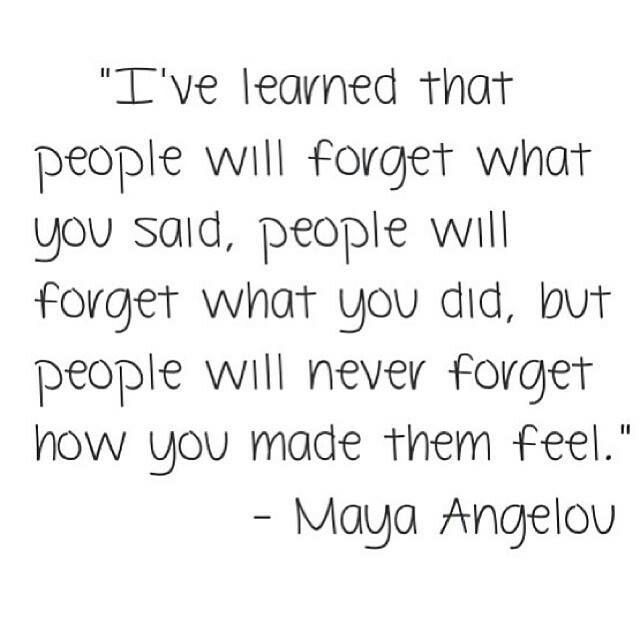
Bullying comes in many forms, from overt teasing, name calling, and exclusion to subtle manipulation, gaslighting, cyberbullying, and professional sabotage. It can happen at school, online, at work, or even at home, and while the methods may differ, the impact, emotional, psychological, and sometimes physical, can be long lasting.
If left unaddressed, bullying can have long-lasting effects. Therapy can help process these memories and experiences. Emotions and patterns we try to suppress can reappear unexpectedly. Feeling guarded, having trouble trusting others, or experiencing sudden waves of unworthiness are often signs of unresolved hurt or trauma.
Key Takeaways
Bullying can feel isolating, confusing, and destabilizing. While you cannot control what others say or do, you can control how you respond. Setting limits and boundaries is healthy, but if you are dealing with a narcissistic person, they are unlikely to respect them. Protect yourself.
Strategies like the grey rock method can help: avoid reacting, defending, overexplaining, or trying to make sense of something that has no sense. Focus on yourself and what is within your control. Stay grounded in your values, know your rights, and reach out for support.
Confidential Helplines
Kids Help Phone: Call 1-800-668-6868 or text CONNECT to 686868 (24/7)
988 Suicide Crisis Helpline: Call or text 988 anytime for mental health crisis support.
LGBT Youthline: Call 1-800-268-9688 or text 647-694-4275 (Sunday–Friday).
Resources:
Children's Mental Health Ontario: Youth Resources: https://cmho.org/youth-resources/
BullyingCanada: https://www.bullyingcanada.ca/
School Mental Health Ontario: https://smho-smso.ca/resources-to-support-bullying-awareness-and-prevention/
Canadian Human Rights Commission: https://www.chrc-ccdp.gc.ca/resources/publications/preventing-and-addressing-workplace-harassment-and-violence
Canadian Centre for Occupational Health & Safety: https://www.ccohs.ca/oshanswers/psychosocial/bullying.html
Podcast: Workplace Bullying: https://open.spotify.com/show/1thZOrhyvq8vndim0dhuXZ
Thank you for reading, and until next time, take care of yourself.
Valérie


